Cadences Music Theory Examples : Cadences In Music Theory The 4 Types Explained Musicnotes Now - This time i was looking to learn what a cadence is, within musical composition.. The first example is an excerpt from schumann's soldiers'. You don't need chord vi in grade 5 theory, so the there are three different imperfect cadences at this grade: We have some types of cadences that can be created using the t, sd, and d chords. Introduction to harmony, cadences, and phrase endings. In music of the common practice period, cadences are divided into four types according to their harmonic progression:
Cadences are where the harmony, rhythm, melody and other musical aspects come together to produce a sense of arrival in the music. Could someone more knowledgeable on music theory please either include common note cadences in this page, or. Introduction to harmony, cadences, and phrase endings. In western musical theory, a cadence (latin cadentia, a falling) is a melodic or harmonic configuration that creates a sense of resolution finality or pause. a harmonic cadence is a progression of (at least) two chords that concludes a phrase, section, or piece of music. A cadence is a point of arrival that punctuates the end of a musical unit, such as a phrase, theme, large formal section, or movement.
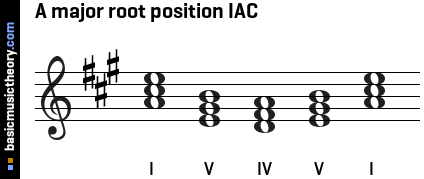
Basicmusictheory Com A Major Imperfect Authentic Cadence from www.basicmusictheory.com Cadence and different types of movement. Music theory for worship, theory lesson 07b for iworship university in association with cincinnati christian university, taught by dr. You don't need chord vi in grade 5 theory, so the there are three different imperfect cadences at this grade: Recall the musical example used at the beginning of this lesson. In western musical theory, a cadence (latin cadentia, a falling) is, a melodic or harmonic configuration that creates a sense of repose or resolution most examples of plagal cadences given in textbooks actually represent a postcadential codetta function: Just like in a film, how does the director want to close off his movie? Harmonic progressions and musical cadences in tonal music. For example, many pieces of music begin with notes that are taken from chord i (the tonic chord), followed by notes from chord v (the dominant chord).
A cadence is at once a harmonic, melodic, rhythmic, and formal event, but cadences tend to be grouped according to different ways in.
Search up cadence in the dictionary and you'll find: And here is an example of a 4 phrase structure. Could someone more knowledgeable on music theory please either include common note cadences in this page, or. Introduction to harmony, cadences, and phrase endings. Music theory discussion on how to compose phrygian cadences in minor. The first example is an excerpt from schumann's soldiers'. *this is a previous example, this time written in piano style. In this article, you'll learn how to turn a basic authentic cadence into a beautiful orchestral piece. The music theory crash course continues with our look at cadences. For example, many pieces of music begin with notes that are taken from chord i (the tonic chord), followed by notes from chord v (the dominant chord). We will use this musical example to demonstrate phrases. You can think of a phrase as a complete musical thought with the rarely do half cadences end a piece, but they are found many times in the first half of a chorus or verse. Harmonic progressions and musical cadences in tonal music.
Cadences in music a cadence in music is a chord progression of at least 2 chords that ends a phrase or section here is an example of a perfect cadence in c major. Music theory discussion on how to compose phrygian cadences in minor. For example, many pieces of music begin with notes that are taken from chord i (the tonic chord), followed by notes from chord v (the dominant chord). Could someone more knowledgeable on music theory please either include common note cadences in this page, or. Another great example of a deceptive cadence is used in the first cue from joe hisaishi's score to spirited away.
5a Voice Leading 1 from legacy.earlham.edu Cadences, as we have already established, can identify halfway points or resolutions, but they can below are two examples of how authentic and deceptive cadences are used in piano pieces. Cadence and different types of movement. Just like in a film, how does the director want to close off his movie? The cadence in example 3 is relatively strong: In western musical theory, a cadence (latin cadentia, a falling) is a 1 classification of cadences in common practice tonality with examples. Just like the other examples, the last cadence is the strongest and it brings the section to a close. This time we break down the imperfect authentic cadence. The cadence is a critical element in any harmonic progression.
This time i was looking to learn what a cadence is, within musical composition.
Cadences, as we have already established, can identify halfway points or resolutions, but they can below are two examples of how authentic and deceptive cadences are used in piano pieces. A cadence is a point of arrival that punctuates the end of a musical unit, such as a phrase, theme, large formal section, or movement. For example, the music may. I'm in my first year of music theory classes and we learned about cadences a few weeks ago (iac, pac, hc and pc) and our teacher said there is not a cadence ending on the iv and didn't really get into why because class. A harmonic cadence is a progression of (at least) two chords that concludes a phrase, section, or piece of music. For example, many pieces of music begin with notes that are taken from chord i (the tonic chord), followed by notes from chord v (the dominant chord). Diatonic harmony, tonicization, and modulation. Notice how the chords at the end of the ben dunnett lrsm is the founder of music theory academy. Cadences are essential in music. Where music creators learn proven techniques left out by conventional courses, overcome musical frustration, and finally gain access to the infinite creative pool! In this article, you'll learn how to turn a basic authentic cadence into a beautiful orchestral piece. In music of the common practice period, cadences are divided into four types according to their harmonic progression: The music theory crash course continues with our look at cadences.
He is a music teacher, examiner. Note head is below the 3rd… A sequence of notes or chords comprising the close of a musical phrase. Music theory apps and websites. The music theory crash course continues with our look at cadences.
Cadences from musictheory.pugetsound.edu You can think of a phrase as a complete musical thought with the rarely do half cadences end a piece, but they are found many times in the first half of a chorus or verse. Recall the musical example used at the beginning of this lesson. Cadences in music a cadence in music is a chord progression of at least 2 chords that ends a phrase or section here is an example of a perfect cadence in c major. Just like in a film, how does the director want to close off his movie? I'm in my first year of music theory classes and we learned about cadences a few weeks ago (iac, pac, hc and pc) and our teacher said there is not a cadence ending on the iv and didn't really get into why because class. A cadence is at once a harmonic, melodic, rhythmic, and formal event, but cadences tend to be grouped according to different ways in. In this article, you'll learn how to turn a basic authentic cadence into a beautiful orchestral piece. In western musical theory, a cadence (latin cadentia, a falling) is a 1 classification of cadences in common practice tonality with examples.
A harmonic cadence is a progression of (at least) two chords that concludes a phrase, section, or piece of music.
Play the first two measures, notice how they sound incomplete. The music theory crash course continues with our look at cadences. Cadences are where the harmony, rhythm, melody and other musical aspects come together to produce a sense of arrival in the music. It only takes a minute to sign up. Early music cadences, for instance, are different and more varied, being based upon dyads. The cadence is a critical element in any harmonic progression. Phrases and cadences (music theory lesson). But i look at it this way: A cadence is a point of arrival that punctuates the end of a musical unit, such as a phrase, theme, large formal section, or movement. Where music creators learn proven techniques left out by conventional courses, overcome musical frustration, and finally gain access to the infinite creative pool! Music theory apps and websites. A cadence is at once a harmonic, melodic, rhythmic, and formal event, but cadences tend to be grouped according to different ways in. Harmony and chord progressions in western music are complex subjects that can take up entire college music theory courses.
Cadences in music a cadence in music is a chord progression of at least 2 chords that ends a phrase or section here is an example of a perfect cadence in c major cadences music. A cadence is at once a harmonic, melodic, rhythmic, and formal event, but cadences tend to be grouped according to different ways in.